
A few weeks ago, I was invited to join a trip to visit the Seven Churches of Revelation—an offer I readily accepted without much hesitation or planning.
What I didn’t expect was this: Turkey is AMAZING.
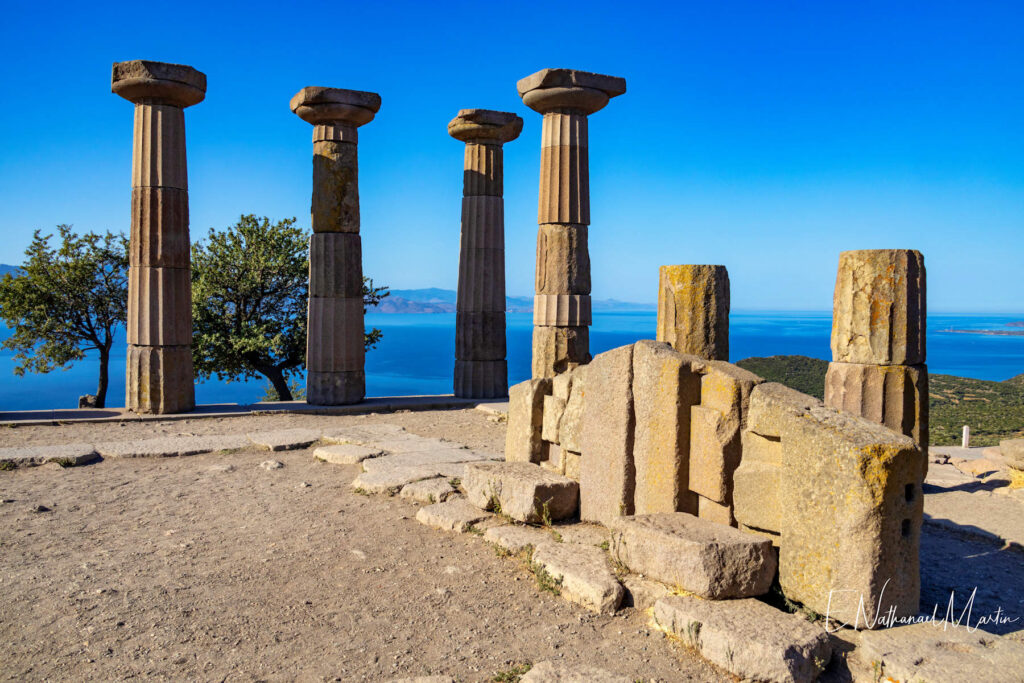
But to really understand why, I need to give you some context.
Stepping Outside My Comfort Zone
I’ve traveled extensively around the world and have experienced customs and cultures very different from my own. Still, when I arrived in Turkey, I felt more out of my comfort zone than I anticipated. I can’t quite pinpoint why. Maybe it was because I hadn’t spent much time thinking about the trip beforehand, or because I hadn’t invested any energy into planning it myself. Whatever the reason, that initial discomfort was real.
Thankfully, it didn’t last long.
Istanbul: A City with a Huge Heart
Istanbul is enormous—huge in size, huge in history, and huge in heart.
From the moment I arrived, I was met with kindness and warmth. I watched an ice cream vendor playfully tease a young boy who couldn’t quite figure out how to get the cone from him, turning a simple purchase into a moment of laughter. I had a wonderful conversation with a young girl eager to practice her English while learning more about her own culture. Everywhere I went, people were welcoming, patient, and genuinely kind.
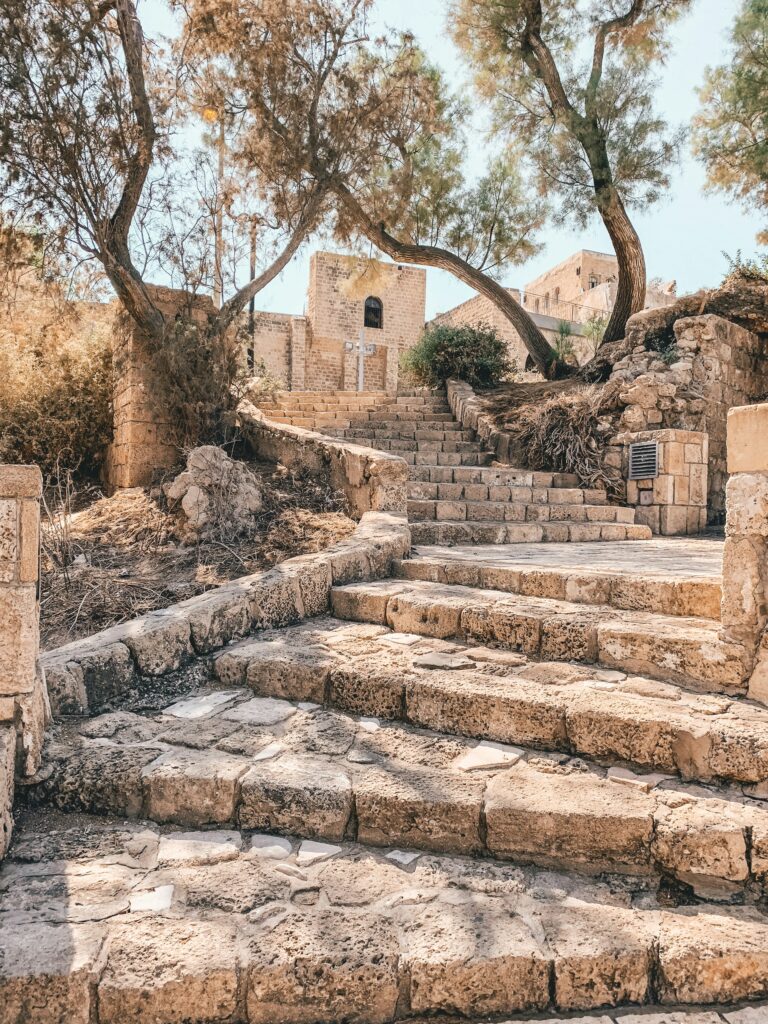
A Living Timeline of History
Istanbul is a modern, bustling metropolitan city, yet it is deeply alive with its past. Over the span of millennia, it has been many things: ancient Greek Byzantium, Roman and Byzantine Constantinople, Ottoman Istanbul, and now a cornerstone of modern Turkey. Each era has left its mark, layered visibly throughout the city.
Everywhere I turned, history was staring back at me—forcing me to mentally reopen long-forgotten world history notes from my college days. The Byzantines. The Romans. The Ottomans. It was all suddenly real.
Leaving the City Behind: The Seven Churches
A short four-hour drive from Istanbul takes you out of the sprawling city and into quiet towns and farming villages. Beneath fields and dirt lie the remains of ancient civilizations—cities that once housed the Seven Churches addressed in the book of Revelation.
It’s important to note that when Paul wrote to these churches, he wasn’t writing about grand stone buildings. The structures you see today were built centuries later, around the 500s AD. In Paul’s time, these were thriving house churches woven into the daily life of bustling cities.
Each site had its own character and significance, but two in particular drove home the scale, wealth, and influence of these ancient places.
Laodicea: Wealth, Growth, and Tension
Laodicea sits high on a hill, spreading across several square kilometers. With two amphitheaters and evidence of immense prosperity, this was no small town. Portions of the church have been reconstructed, revealing early Christian practices that go well beyond what we read in Scripture.
What struck me most was the contrast: a wealthy, growing church set alongside a dominant Roman culture that celebrated games, power, and persecution. And yet—God’s Word flourished there.
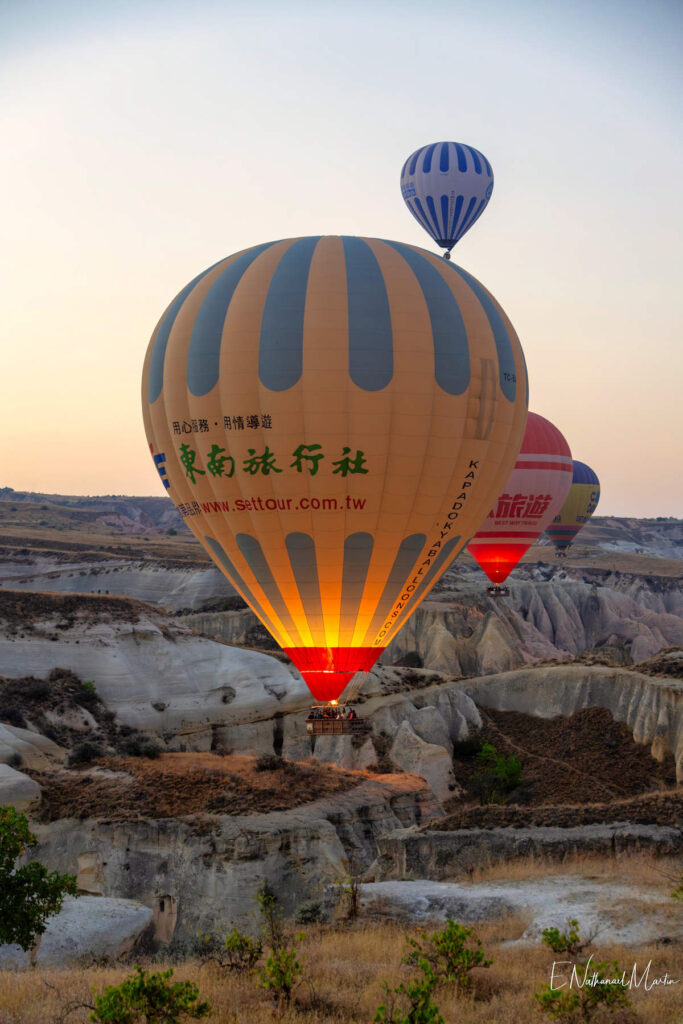
Ephesus: Walking Where Paul Walked
Ephesus was breathtaking.
This is the city where Paul is said to have been buried. The city where tradition claims he brought Jesus’ mother—though that point is still debated. This is where Paul boldly opposed the worship of the city’s gods, especially Artemis.
Though Ephesus eventually fell due to rising water levels and devastating earthquakes, walking through its ruins tells a different story. This was the third iteration of the city, and as you stroll down the main road—literally the same path Paul would have walked—you get a sense of its massive trade networks and economic power.
Photos simply don’t do it justice. Being there is entirely different.
Leaving Changed
By the end of the trip, my initial discomfort had completely disappeared. I no longer felt intimidated by the depth of history or the immense biblical significance of the land. Instead, I felt welcomed.
I ate like the locals. I learned from the locals. I was embraced by the culture.
And I left with one clear thought: I can’t wait to go back—next time with my family.
If you’d like to experience this trip, hit that book now button.