
Last Updated: February 5, 2026 | Reading Time: 12 minutes
Quick Summary
Family mission trips work best when you choose age-appropriate activities, prepare kids for cultural differences, pack smart snacks, and maintain flexibility. The average family mission trip lasts 7-10 days and costs $1,200-$2,500 per person. Over 1.6 million Americans participate in short-term mission trips annually, with family participation growing 15% year-over-year.
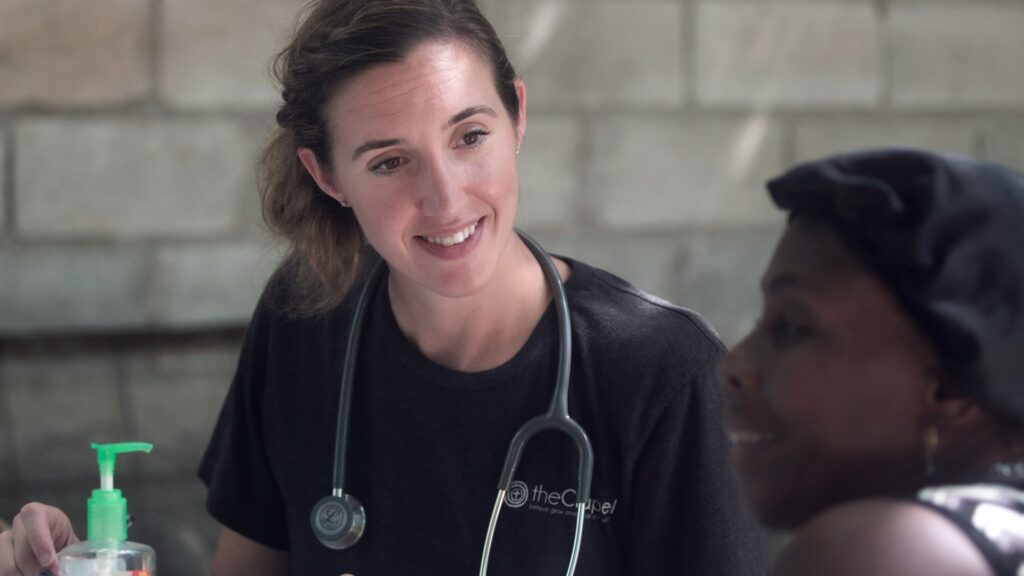
Mission trips can be life-changing experiences—not just for those being served, but also for those who go. And that includes children of all ages.
While the idea of bringing young kids on an international trip may feel overwhelming at first, with the right planning and expectations, a mission trip can be one of the most enriching experiences your family shares together. According to recent studies, families who serve together report stronger bonds, increased empathy, and a broader worldview that lasts well into adulthood.
This comprehensive guide covers everything from choosing age-appropriate missions to handling cultural differences, packing strategically, and preparing for the unexpected. Whether this is your first family mission trip or you’re a seasoned volunteer family, these practical tips will help ensure your experience is meaningful, safe, and transformative.
In This Guide:
- Tip 1: Choose an Age-Appropriate Mission Trip
- Tip 2: Match the Mission to Your Family’s Strengths
- Tip 3: Invite Friends and Family to Join
- Tip 4: Talk About Cultural Differences Ahead of Time
- Tip 5: Pack Snacks for Picky Eaters
- Tip 6: Stay Flexible and Keep a Positive Attitude
- Tip 7: Go with an Established Organization
- Tip 8: Plan for the Unexpected: Tickets and Insurance
- Mission Trip Preparation Timeline
- Frequently Asked Questions
1. Choose an Age-Appropriate Mission Trip
The age of your children will significantly shape your experience and determine which types of mission trips are the best fit for your family. A ten-year-old might be able to paint a school wall, pass out supplies, or help mix cement. A three-year-old, on the other hand, may not contribute to construction projects—but that doesn’t mean they can’t participate meaningfully.
Age-by-Age Breakdown: What Kids Can Do
- Ages 0-3 (Infants & Toddlers): Accompany parents during VBS (Vacation Bible School), interact with local children, provide joy and smiles during community visits. Best suited for missions focused on children’s ministry or community events.
- Ages 4-7 (Preschool & Early Elementary): Help with light tasks, assist with crafts and games, participate in children’s programs, hand out supplies, engage in simple service projects like sorting donated items.
- Ages 8-12 (Elementary & Middle School): Paint buildings, organize supplies and materials, assist with construction (mixing cement, carrying materials), teach activities to local children, help with food preparation and distribution.
- Ages 13+ (Teens): Full participation in most service projects including building, teaching, medical assistance (under supervision), community outreach, leading youth activities, and translation assistance if bilingual.
Younger children can be part of programs like Vacation Bible School (VBS), or simply accompany you as you serve in less labor-intensive roles. Some mission trips are specifically designed with families in mind and include safe, age-appropriate ways for children to be involved at every stage of development.
The key is to find a mission experience where your children aren’t just tagging along—they’re included and able to engage meaningfully, even if that means simply playing with local kids while you serve. Research shows that even very young children who participate in service projects develop increased empathy and cultural awareness that stays with them into adulthood.
What Age Is Too Young?
The most common question parents ask is whether their child is too young for a mission trip. There’s no universal answer, but consider these factors:
- Health requirements: Can they get necessary vaccinations? Some destinations require vaccines not recommended for infants.
- Stamina: Can they handle 8-12 hour travel days and active service schedules?
- Behavior and safety: Can they follow instructions and stay safe in unfamiliar environments?
- Interest level: Are they excited about the opportunity, or will they be resistant?
- Medical access: Is quality medical care available at your destination if needed?
Most mission organizations recommend age 5 or older for international trips, but family-focused missions welcome all ages when parents provide direct supervision. Consult with your pediatrician and the mission organization about specific health and safety considerations for your destination.
Ready to Plan Your Family Mission Trip?
Get a free consultation and customized travel quote from our mission travel specialists.
2. Match the Mission to Your Family’s Strengths
You don’t need to be a doctor or a builder to be useful on a mission trip, but if you have a specific skill set—whether it’s in healthcare, education, construction, or even music—it makes sense to choose a trip that aligns with your family’s strengths.
Types of Family-Friendly Mission Projects
Consider which type of service project best matches your family’s abilities, interests, and energy level:
- Medical missions: Great for families with healthcare professionals. Nurses, doctors, dentists, and medical students can provide care while other family members assist with patient intake, pharmacy organization, or childcare.
- Construction and building projects: Ideal for families who enjoy hands-on work. Projects range from building homes and schools to installing water systems and renovating community centers.
- Teaching and VBS programs: Perfect for families with teachers, musicians, or those who love working with children. Activities include teaching English, conducting Vacation Bible School, leading sports camps, and facilitating educational programs.
- Community development: Broader service opportunities including food distribution, agricultural projects, microenterprise development, and community center programs.
- Water and sanitation projects: Drilling wells, installing water filtration systems, and teaching hygiene practices. Great for families interested in sustainable development.
- Agricultural assistance: Working with farming communities to improve crop yields, introduce sustainable practices, or establish community gardens.
- Orphanage and vulnerable children support: Providing care, education, recreational activities, and emotional support (note: many modern organizations focus on family preservation rather than institutional care).
But don’t worry if your family doesn’t come with a clearly defined “skill.” Many mission trips offer a wide range of ways to serve. You might help organize a community meal, assist with childcare during health clinics, or help with outreach through drama, music, or crafts. The most important thing is a willingness to connect, serve, and love others.
3. Invite Friends and Family to Join
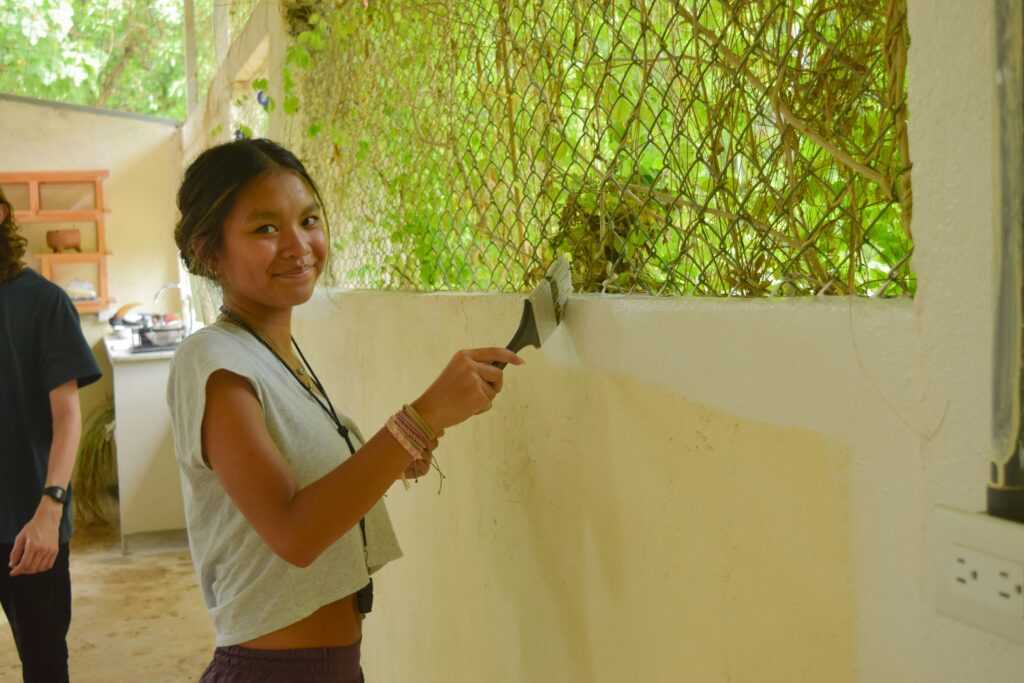
Mission trips are often even more impactful when shared with people you know. If you’re joining a church-led mission trip, you’re likely already traveling with friends from your community. But if you’re signing up through a mission organization or sending agency, consider inviting friends, cousins, or even grandparents to come along.
For your kids, having familiar faces around can be reassuring—especially in a new and unfamiliar environment. Children who travel with friends report feeling braver about trying new foods, engaging with local children, and participating in activities outside their comfort zone.
Plus, you’re not just creating an experience for your family but encouraging others to serve as well. Many families report that inviting others along created a lasting community of service-minded friends who continue to volunteer together for years.
Benefits of Group Family Missions
- Built-in childcare support and supervision
- Shared costs for group bookings
- More diverse skill sets to contribute
- Emotional support during challenging moments
- Playmates for children during downtime
- Lasting friendships built on shared values
4. Talk About Cultural Differences Ahead of Time
One of the greatest benefits of international travel is learning to appreciate cultures that are different from your own. But for kids, differences can be confusing or even a little intimidating at first. Proper preparation can turn potential culture shock into cultural curiosity.
Before you go, have intentional conversations with your children about what to expect: different foods, languages, customs, and ways of life. Emphasize that “different” isn’t bad—it’s just new. Use this as an opportunity to teach your children about diversity, respect, and the beauty of God’s creation in all its forms.
Cultural Preparation Activities for Kids
Make cultural preparation fun and engaging with these activities:
- Read books together about your destination country, featuring children from that culture
- Watch age-appropriate videos showing daily life, celebrations, and traditions
- Try cooking traditional foods from your destination at home
- Learn basic phrases in the local language (hello, thank you, please, goodbye)
- Listen to music from the region and discuss what makes it unique
- Study a map together to understand geography, climate, and time zones
- Connect with someone from that culture in your community for a firsthand conversation
- Discuss poverty sensitively, focusing on resilience, joy, and what you can learn (not just what you can give)
Teach your kids to be respectful, to show gratitude even when things are unfamiliar, and to embrace the opportunity to learn from others. Helping them understand cultural sensitivity in advance will go a long way in preventing misunderstandings or meltdowns later.
Important: Teach “Different, Not Better or Worse”
Be careful not to frame other cultures as “poor” or “needy” in ways that create a savior complex. Instead, emphasize mutual learning, friendship, and partnership. Help children see that people in other cultures have much to teach us about community, resilience, joy, and faith.
5. Pack Snacks for Picky Eaters
Let’s face it: not every child is an adventurous eater. While trying new foods is part of the cultural experience, having some familiar snacks available can prevent meltdowns and keep energy levels stable during long days of service.
If your child is especially picky, pack a stash of familiar snacks. The availability of food will vary greatly depending on your destination. In a rural village in Kenya, your options for groceries might be very limited. In a city like São Paulo, Brazil, you’ll likely find more familiar foods and stores.
Recommended Snacks for Mission Trips
- Granola bars and protein bars (pack 2-3 per day per child)
- Dried fruit (raisins, cranberries, mango) and trail mix
- Crackers and individual nut butter packets
- Instant oatmeal packets for quick breakfasts
- Electrolyte drink mixes (especially important in hot climates)
- Familiar candy or treats (for comfort and special moments)
- Beef jerky or other protein snacks
- Pretzels, goldfish, or other familiar favorites
- Individual applesauce or fruit pouches
- Peanut butter (great protein source if no allergies)
You don’t need to pack an entire suitcase of snacks—but having a few go-to items like granola bars, crackers, or dried fruit can make a big difference, especially during long travel days or unfamiliar meals. Many mission organizations also recommend bringing extra snacks to share with your team or local children (always check with your organization first about culturally appropriate gifts).
Additional Packing Essentials
- Medications: Prescriptions, pain relievers, anti-diarrheal medication, antihistamines, motion sickness medicine
- First aid supplies: Band-aids, antibiotic ointment, blister care, thermometer
- Hygiene items: Hand sanitizer, wet wipes, toilet paper, feminine products
- Sun protection: Sunscreen (SPF 50+), hats, sunglasses, protective clothing
- Insect protection: DEET repellent, permethrin-treated clothing, mosquito nets if needed
- Work gear: Closed-toe shoes, work gloves, modest clothing appropriate for your activities
- Comfort items: Small toys, favorite books, photos from home, journal for older kids
6. Stay Flexible and Keep a Positive Attitude
This might be the most important tip on the list. Flexibility is your best friend on a mission trip. Things will go wrong. Buses break down. Flights get delayed. The water stops working. The daily schedule shifts at a moment’s notice. You might arrive to find your work project has changed completely.
Your mindset as a parent sets the tone for the whole family. If you respond with frustration, your kids will mirror it. But if you choose to laugh through the delays and keep a spirit of adventure, your children will learn resilience, adaptability, and grace under pressure.
Common Challenges and How to Handle Them
- Schedule changes: View them as opportunities for spontaneous adventures rather than disruptions
- Language barriers: Turn them into games—charades, drawing, learning new words together
- Uncomfortable accommodations: Reframe as “camping adventures” and focus on togetherness
- Unfamiliar foods: Model trying new things while honoring genuine preferences
- Homesickness: Acknowledge feelings while emphasizing the adventure and meaning of your work
- Fatigue: Build in rest times, adjust expectations, and celebrate small wins
- Conflict with other families: Model grace, communication, and problem-solving
Flexibility is part of the mission—and part of what makes it so transformative. Some of the most memorable moments of your trip will come from the unexpected changes you navigate together. Years later, your kids will remember how you handled the challenges more than the challenges themselves.
Need Help Planning Your Mission Trip Logistics?
Our experienced travel team specializes in mission trip coordination, group bookings, and flexible travel arrangements.
7. Go with an Established Organization
If this is your first family mission trip, consider traveling with a reputable mission agency that specializes in organizing group trips. Established organizations typically arrange transportation, lodging, food, and work projects, which allows you to focus on serving and parenting—rather than logistics and problem-solving in an unfamiliar country.
A well-organized trip also adds a layer of security and peace of mind, especially when you’re bringing children along. These organizations have relationships with local communities, understand cultural dynamics, and have contingency plans for emergencies.
Reputable Family-Friendly Mission Organizations
- Maranatha Volunteers International: Specializes in construction projects, welcomes families, provides structured programs with age-appropriate activities
- Adventures in Missions: Offers family mission experiences worldwide with flexible trip lengths and diverse service opportunities
- YWAM (Youth With A Mission): Long-standing organization with family programs, discipleship training, and service projects in over 180 countries
- Compassion International: Child-focused ministry with family volunteer opportunities to visit sponsored children and community projects
- Food for the Hungry: Development-focused missions with family-friendly options in education, agriculture, and community health
- Medical Missions International (MMI): Healthcare-focused trips that welcome families, especially those with medical backgrounds
- Habitat for Humanity Global Village: Building projects worldwide with well-organized family programs and reasonable physical demands
Additionally, consider mission trips organized through your denomination or local church. These often provide built-in community, shared values, and continued connection after you return home.
Questions to Ask Mission Organizations
Before committing to a mission trip, ask these important questions:
- What is the minimum age for children? Are there age-specific activities?
- What are the accommodations like? (Private rooms, bathrooms, air conditioning, safety features)
- What medical facilities are nearby? Is there a trip doctor or nurse?
- What is the refund policy if we need to cancel?
- How do you ensure ethical, sustainable community partnerships?
- What safety protocols are in place? (Background checks, child protection policies)
- What’s included in the trip fee vs. what we pay separately?
- How do you prepare teams for cultural sensitivity?
- What happens in case of emergency or natural disaster?
- Can you connect us with families who’ve traveled with you before?
Popular Family Mission Trip Destinations
Some destinations are particularly well-suited for first-time family mission trips:
- Mexico: Close proximity, shorter flights, many English speakers, familiar food options available, established programs
- Costa Rica: Safe, politically stable, family-friendly, diverse service opportunities, good medical infrastructure
- Dominican Republic: Established mission programs, beaches for rest days, all-age activities, welcoming communities
- Jamaica: English-speaking, warm and welcoming culture, variety of mission organizations, accessible from US
- Guatemala: Rich culture, strong Christian community, multiple mission organizations, diverse projects
- Nicaragua: Growing mission destination, warm hospitality, affordable, meaningful service opportunities
- Belize: English-speaking, small country easy to navigate, Caribbean culture, blend of service and cultural experiences
8. Plan for the Unexpected: Tickets and Insurance
Travel with kids can be unpredictable. That’s why it’s important to book flexible airline tickets and purchase comprehensive travel insurance. Illness, injury, family emergencies, or changes in schedule may require you to change plans quickly.
If you book your flights through an experienced travel agency like Butler Travel, you’ll have a support team that can help you make changes, handle emergencies, and get you home safely if needed. Unlike booking through third-party websites, working with a dedicated travel agent means you have someone in your corner 24/7.
Typical Family Mission Trip Costs (Per Person)
- International flights: $600-$1,500 (varies by destination and season)
- Mission organization trip fee: $300-$800 (covers lodging, meals, in-country transportation, project materials)
- Travel insurance: $50-$150 (essential for medical coverage and trip protection)
- Vaccines and travel health: $100-$300 per family (varies by destination and current vaccination status)
- Supplies and donations: $100-$500 (items to bring for projects, gifts for community)
- Miscellaneous: $100-$200 (passport fees, visa fees, souvenirs, additional meals)
Total estimated cost per person: $1,200-$2,500 for a week-long international trip
Note: Some families fundraise to offset costs through church support, personal networks, or online platforms.
Why Travel Insurance Is Essential
Travel insurance for mission trips should include:
- Medical coverage: Treatment for illness or injury abroad, including COVID-19
- Emergency evacuation: Transportation to adequate medical facilities if needed
- Trip cancellation/interruption: Reimbursement if you must cancel or cut your trip short
- Flight changes: Coverage for missed connections or schedule changes
- Lost luggage: Reimbursement for essential items if bags are delayed
- 24/7 assistance: Access to help in your language, anytime
Peace of mind matters, and a little preparation can save you a lot of stress down the road. When traveling with children to developing countries, comprehensive insurance is not optional—it’s essential protection for your family.
Flexible Ticket Options
When booking flights for family mission trips, consider:
- Refundable tickets: More expensive upfront but offer full refunds if plans change
- Change-flexible tickets: Allow date changes for a fee (typically $200-300 per ticket)
- Travel agency support: Professional help navigating complex itineraries, group bookings, and emergency changes
- Group discounts: Often available for 10+ travelers on the same itinerary
Mission Trip Preparation Timeline
6 Months Before Departure
- Research and choose mission organization
- Check passport expiration dates (must be valid 6+ months beyond return date)
- Begin fundraising if needed
- Start team building if going with a group
- Book flights and accommodations
- Research destination culture, customs, and language
3-4 Months Before Departure
- Apply for new passports or renewals if needed (allow 10-12 weeks)
- Purchase comprehensive travel insurance
- Schedule travel clinic appointment for vaccine consultation
- Begin language learning if traveling to non-English speaking country
- Order any specialty items or supplies needed
- Confirm trip details and itinerary with organization
6-8 Weeks Before Departure
- Get required vaccinations (allow time for multi-dose series)
- Begin cultural preparation activities with children
- Attend pre-trip meetings with mission organization
- Purchase work clothes, hiking boots, and specialized gear
- Start collecting donations or supplies to bring
- Coordinate with other families on shared logistics
2-4 Weeks Before Departure
- Fill prescriptions for the trip (bring extra in case of delays)
- Purchase snacks, toiletries, and travel supplies
- Print and organize all travel documents
- Have family devotions or discussions about trip purpose
- Break in new shoes to prevent blisters
- Download offline maps, translation apps, and important documents
- Notify bank and credit card companies of travel plans
1 Week Before Departure
- Confirm flights and check-in online if possible
- Pack and weigh luggage (ensure within airline limits)
- Exchange currency or plan for ATM withdrawals
- Final family preparation conversation about expectations
- Charge all devices and pack power adapters
- Make copies of important documents (passports, insurance, prescriptions)
- Leave emergency contact information with family at home
Common Mission Trip Mistakes to Avoid
Don’t Make These Mistakes:
- ❌ Overpacking: You don’t need as much as you think. Most items can be reworn or washed.
- ❌ Not preparing kids emotionally: Culture shock is real. Discuss challenges beforehand.
- ❌ Skipping travel insurance: It’s essential when traveling with children internationally.
- ❌ Booking non-refundable flights: Kids get sick. Emergencies happen. Build in flexibility.
- ❌ Ignoring vaccination requirements: Some countries require proof of specific vaccines for entry.
- ❌ Expecting luxury: Mission trips prioritize service over comfort. Adjust expectations.
- ❌ Not discussing “return shock”: Coming home can be emotionally difficult. Plan for re-entry conversations.
- ❌ Taking inappropriate photos: Always ask permission. Avoid “poverty porn” that exploits others’ hardship.
- ❌ Bringing expensive electronics: Risk of loss, theft, or damage. Keep it simple.
- ❌ Failing to learn basic local language: Even simple phrases show respect and open doors.
Health and Safety Preparation
Protecting your family’s health is paramount when traveling internationally for mission work.
Before You Go: Medical Preparation
- Visit travel clinic 6-8 weeks before departure for vaccine consultation
- Update routine vaccinations (MMR, tetanus, etc.)
- Get destination-specific vaccines (Yellow Fever, Typhoid, Hepatitis A/B, Japanese Encephalitis)
- Discuss malaria prophylaxis with doctor if traveling to endemic areas
- Pack comprehensive first aid kit with supplies for cuts, burns, diarrhea, allergic reactions
- Bring copies of prescriptions and medication lists
- Research nearest hospital or clinic at destination
- Program emergency numbers into phones (including US Embassy)
- Discuss food and water safety practices with children
- Pack oral rehydration salts for dehydration prevention
Sample Family Mission Trip Itinerary
Here’s what a typical 10-day family mission trip might look like:
- Day 1-2: Travel to destination, team orientation, facility tour, cultural introduction, rest and adjustment
- Day 3-6: Morning service projects (construction, VBS, medical clinic), lunch break, afternoon cultural activities or continued service, evening team reflection and devotions
- Day 7: Rest day, optional sightseeing, local market visit, processing experiences, laundry and personal care
- Day 8-9: Final service projects, community celebration or dedication ceremony, saying goodbyes, packing
- Day 10: Departure, travel home, begin processing and re-entry
Frequently Asked Questions
Can I take a baby on a mission trip?
Yes, many family-focused mission organizations welcome infants. Choose trips with medical access, safe accommodations, and flexible schedules. Ensure all required vaccinations are up to date and discuss destination-specific health risks with your pediatrician. Breastfeeding mothers often find mission trips manageable with proper preparation.
How do I handle picky eaters on a mission trip?
Pack familiar snacks as backup, but encourage kids to try new foods. Many mission organizations accommodate dietary restrictions if notified in advance. Frame food differences as part of the adventure. Consider having kids help choose and pack their own snacks to increase buy-in.
What if my child gets sick on the mission trip?
Reputable organizations have protocols for medical issues, including relationships with local clinics or hospitals. Travel insurance will cover medical care. Pack a basic medical kit and any prescription medications. Most organizations have staff trained in first aid. In serious cases, your insurance should cover emergency evacuation.
Do kids need their own passports?
Yes, children of all ages (including infants) need their own passport for international travel. Apply 3-4 months before your trip as processing takes 10-12 weeks. Both parents must typically be present for minor passport applications. Passports must be valid for at least 6 months beyond your return date.
How do I prepare my child emotionally for what they might see?
Have honest, age-appropriate conversations about poverty, different living conditions, and potential challenges. Focus on resilience, joy, and what you can learn rather than pity. Read books and watch videos showing diverse ways people live around the world. Emphasize that material possessions don’t determine happiness or worth.
What if my child has special needs or disabilities?
Many mission organizations can accommodate special needs with advance notice. Be upfront about your child’s needs, including medications, dietary requirements, mobility issues, or sensory sensitivities. Choose organizations with experience serving families with special needs. Consider destinations with better infrastructure if needed.
How can we continue serving after we return home?
Stay connected with the organization and community you served. Some families sponsor children, fundraise for projects, or plan return trips. Look for local service opportunities that reflect what you learned. Process the experience through family discussions, photo books, or presentations at church. Many families find their mission trip sparks a lifestyle of service.
Is it safe to take kids on international mission trips?
When traveling with reputable organizations to appropriate destinations, family mission trips are generally safe. Research your destination’s safety situation, follow organization guidelines, maintain close supervision of children, and purchase comprehensive travel insurance. Most families find the benefits far outweigh the risks when proper precautions are taken.
Final Thoughts: Why Family Mission Trips Matter
Taking your kids on a mission trip isn’t just about serving others—it’s about growing together as a family. It’s about stepping out of your comfort zone, meeting people from other walks of life, and learning to see the world through a lens of compassion and gratitude.
The experience may challenge you. It will definitely change you. And most importantly, it will shape your children into global citizens who understand the power of service and the beauty of diversity.
Research shows that children who participate in service learning experiences, particularly international missions, demonstrate:
- Increased empathy and compassion for others
- Broader worldview and cultural intelligence
- Stronger family relationships through shared meaningful experiences
- Greater appreciation for their own blessings
- Commitment to continued service throughout life
- Enhanced problem-solving and adaptability skills
- Deeper faith understanding (for faith-based missions)
So if you’ve been wondering whether your family is ready, take heart. With the right preparation and perspective, your next mission trip could be the most meaningful adventure you’ll ever take together.
The memories you create, the lessons you learn, and the relationships you build will last a lifetime—for you and for the communities you serve.
Start Planning Your Life-Changing Family Mission Adventure
Whether you’re organizing a mission trip, church group travel, or humanitarian project, Butler Travel delivers professional service, personal care, and unbeatable value.
✓ 24/7 dedicated travel assistance for mission teams
✓ Exclusive airline contracts and group rates
✓ Flexible booking with travel insurance options
✓ ASTA and IATAN accredited
✓ Specialized expertise in mission travel since 2007
Get Your Free Mission Trip Quote Now →
Questions? Call us at (503) 879-5005 or email info@butlertravel.com